The crypto space and blockchain technology are constantly evolving. A blockchain or crypto ecosystem can become a comprehensive environment that facilitates a wide range of blockchain-based operations and services way beyond cryptocurrencies. In this blog, we take a look at what a crypto ecosystem is, its benefits, and some of the largest and most influential ecosystems, and explore the role of blockchain technology beyond just cryptocurrencies.
The crypto space and blockchain technology are constantly evolving. A blockchain or crypto ecosystem can become a comprehensive environment that facilitates a wide range of blockchain-based operations and services way beyond cryptocurrencies. In this blog, we take a look at what a crypto ecosystem is, its benefits, and some of the largest and most influential ecosystems, and explore the role of blockchain technology beyond just cryptocurrencies.
At first, the capabilities of these ecosystems might be confusing and overwhelming. However, when you realize their power and that they’re simply improving on traditional ecosystems we already rely on, you’ll be itching to get involved.
Crypto Ecosystem Explained
What is a Crypto Ecosystem?
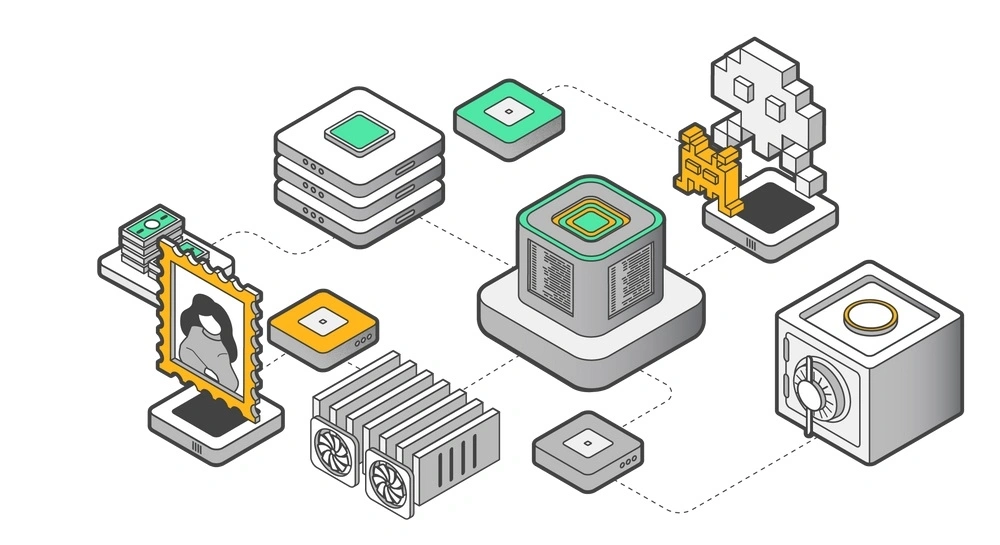
A crypto ecosystem is a complex network of interrelated components that work together to support the functioning, development, and growth of cryptocurrencies and blockchain technology. The primary goal of such an ecosystem is to create a self-sustaining environment that encompasses financial transactions, the development of applications, services, and communities that leverage the underlying technology.
The Moving Pieces that Make Up a Crypto Ecosystem
- Cryptocurrencies and Tokens: The most visible components of a crypto ecosystem, serving as both a medium of exchange and a tool for financial investment.
- Blockchain Technology: The backbone of any crypto ecosystem, providing a secure, immutable ledger for recording transactions.
- Smart Contracts: Self-executing contracts with the terms of the agreement between buyer and seller being directly written into lines of code.
- Decentralized Applications (DApps): Applications that run on a blockchain or peer-to-peer network of computers instead of a single computer, ensuring no central point of failure.
- Exchanges and Wallets: Platforms where cryptocurrencies can be traded and digital wallets used for storing cryptocurrencies securely.
- Developers and Users Community: The vibrant community of developers who build the ecosystem and users who engage with it, contributing to its growth and sustainability.
The functionality of a crypto ecosystem lies in how these components interact with one another. For instance, blockchain technology provides a secure platform for transactions, which are facilitated through cryptocurrencies and tokens. Smart contracts automate these transactions and other operations within the ecosystem, eliminating the need for intermediaries. DApps offer a wide range of services and utilities, from financial services to games, all supported by the underlying blockchain technology. Exchanges and wallets provide the necessary infrastructure for trading and holding digital assets, while the community of developers and users drives innovation and adoption.
Understanding the interplay between these components reveals the robust and functional nature of crypto ecosystems. They offer a decentralized and secure environment for conducting transactions, developing applications, and engaging with digital assets, marking a significant shift from traditional financial and technological systems.
Benefits of Crypto Ecosystems
Innovation and Development
These ecosystems are hotbeds for technological advancements. They're where groundbreaking ideas become reality, offering solutions that traditional systems can't. From creating decentralized finance (DeFi) platforms to launching innovative applications that disrupt industries, crypto ecosystems push the envelope, driving progress in tech and finance.
Decentralization
One of the core values of crypto ecosystems is decentralization. By reducing reliance on centralized financial institutions, these ecosystems offer a more democratic financial system. Decentralization helps in mitigating the risks associated with centralized control, such as censorship, fraud, and systemic failures, making financial systems more resilient and inclusive.
Transparency and Security
Thanks to blockchain technology, transactions within these ecosystems are transparent and secure. Every transaction is recorded on a public ledger, visible to anyone, which makes fraud much harder. Moreover, blockchain's security protocols ensure that transactions are safe from hacking and tampering, providing a level of security that's hard to achieve in traditional financial systems.
Community and Network Effects
The strength of a crypto ecosystem often lies in its community. Developers, investors, and users come together to support, develop, and promote the ecosystem. This collective effort not only accelerates growth and adoption but also fosters a sense of belonging and mutual support among members. As more people join the ecosystem, its value and utility increase, benefiting all stakeholders.
Global Accessibility
Crypto ecosystems break down geographical barriers, making financial services accessible to anyone with an internet connection. This is especially beneficial for unbanked or underbanked populations worldwide, offering them entry into the global economy.
Reduced Transaction Costs and Speed
Traditional financial systems can involve high fees and slow processing times, especially for cross-border transactions. Crypto ecosystems often reduce these costs significantly and increase transaction speeds, benefiting both individuals and businesses.
Empowerment through Ownership
With blockchain technology, users have more control over their digital assets compared to traditional banking systems. The use of cryptographic wallets allows individuals to own their digital assets without the need for an intermediary, providing a sense of empowerment and security.
Incentive Structures
Many crypto ecosystems incorporate token-based economies that offer incentives for participation, such as staking rewards, governance tokens, or transaction fee reductions. These incentives encourage active participation and investment in the ecosystem, driving growth and stability.
Flexibility and Programmability
The use of smart contracts in crypto ecosystems introduces unprecedented levels of flexibility and programmability in financial transactions. This opens up a myriad of possibilities for automating processes, creating complex financial instruments, and tailoring services to specific needs.
Privacy Enhancements
While transparency is a key feature of blockchain technology, many ecosystems also offer tools and features to enhance users' privacy. Through techniques like zero-knowledge proofs or other privacy-focused technologies, users can transact securely and privately, when necessary.
Economic Opportunities
Crypto ecosystems provide various avenues for economic opportunities, from trading and investing to developing new applications or services within the ecosystem. This can lead to job creation, new business models, and innovative ways to generate income.
List of Crypto Ecosystems
- Ethereum: A pioneering platform for smart contracts and decentralized applications (DApps), using its native currency, ETH, for transactions. Known for its vast developer community and as a foundation for many blockchain projects.
- Binance Smart Chain (BSC): Offers a high-speed, low-cost platform for DApps, compatible with Ethereum's tools, enhancing accessibility for developers and users with its native token, BNB.
- Polkadot: Focuses on interoperability between blockchains, allowing for cross-chain transfers and communication, facilitated by its relay chain and parachains structure.
- Cardano: Emphasizes a research-backed, sustainable approach to blockchain development, utilizing a proof-of-stake consensus mechanism for improved efficiency and scalability.
- Solana: Known for its impressive transaction speeds and low costs, Solana employs a unique consensus mechanism, Proof of History, to optimize performance and support a wide range of applications.
- Stellar: Known for facilitating low-cost, fast international money transfers and supporting multi-currency transactions.
- Hedera Hashgraph: Offers extremely high transaction speeds and low fees, using a unique consensus mechanism.
- Tezos: Distinguished by its on-chain governance and ability to upgrade without hard forks.
- Klaytn: Developed by South Korean tech giant Kakao, focusing on user-friendly blockchain experiences.
- Tron: Aims to decentralize the web with high throughput and scalability for digital content.
- EOS: Offers scalable decentralized applications platform with high transaction speeds and no fees.
- Polygon: Enhances Ethereum’s capabilities with faster and cheaper transactions.
- VeChain Thor: Specializes in supply chain optimization using blockchain technology.
- Cosmos: Known as the "Internet of Blockchains," it enables interoperability between independent blockchains.
Now sure what PoW and PoS are? You’ll want to read Proof of Stake vs. Proof of Work: What’s the Difference?
Blockchain Ecosystem Options - Non-Crypto Use Cases
Blockchain technology's application stretches beyond the biggest crypto ecosystems, highlighting its versatility in a multitude of industries. This technology's ability to provide secure, transparent, and immutable records makes it ideal for a range of uses that impact our digital and physical worlds profoundly.
NFTs (Non-Fungible Tokens)
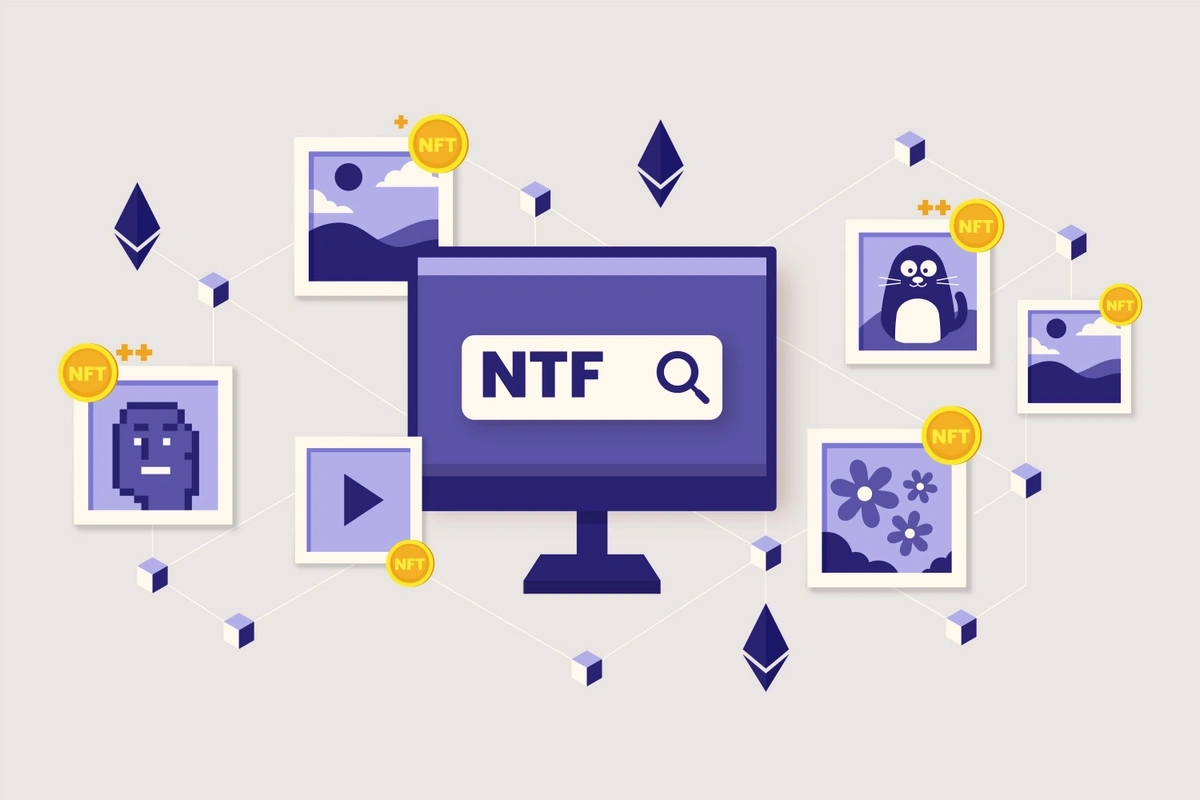
NFTs represent unique digital items using blockchain technology, making digital ownership verifiable and indisputable. They've transformed the art and music industries by allowing creators to monetize their work directly. NFTs have also impacted digital content like collectibles, virtual fashion, and even tweets, enabling true digital ownership and the ability to trade on secondary markets.
Virtual Real Estate
Virtual real estate exists on blockchain platforms such as Decentraland and The Sandbox. Users can buy, sell, or develop digital land, creating virtual experiences, games, or advertising spaces. This digital ownership is secured by blockchain, ensuring a transparent and fraud-resistant environment. Investments in virtual real estate have seen significant growth, offering new revenue models for developers and advertisers alike.
Supply Chain Management
Blockchain provides a transparent way to track the production, shipment, and delivery of products, revolutionizing supply chain management. By recording every step in the supply chain on a blockchain, companies can ensure authenticity, reduce counterfeits, and enhance consumer trust.
Identity Verification
Blockchain offers a secure and immutable way to store personal identity information, streamlining verification processes for various services. This technology can protect against identity theft and fraud, making digital interactions safer and more reliable.
Further reading about how blockchains work:
Blockchain Node Providers: How Do They Work?
Summarizing Crypto Ecosystems
Understanding the largest crypto ecosystems is crucial for leveraging blockchain's transformative power, offering innovation, digital ownership, and decentralized frameworks. These ecosystems extend beyond financial transactions, challenging traditional systems and opening new avenues for investment and exploration. With blockchain's continuous evolution, opportunities for growth and exploration abound, highlighting the significance of engaging with these dynamic environments.