
Trending
Blockchain Market in Energy Sector Projected to Exceed $200 Billion by 2032
Blockchain Market in Energy Sector Projected to Exceed $200 Billion by 2032
Rapid Expansion Amid Sustainability and Regulatory Challenges
The global energy sector is undergoing a significant transformation as it accelerates the adoption of electrification and renewable energy sources. Within this evolving landscape, blockchain technology is emerging as a critical driver of innovation, despite ongoing concerns regarding the environmental impact of energy-intensive cryptocurrencies such as Bitcoin. According to a recent report by SNS Insider, the Blockchain Energy Market was valued at approximately USD 2.07 billion in 2024 and is forecasted to reach an extraordinary USD 202.71 billion by 2032. This represents a compound annual growth rate (CAGR) of 77.4% over the period from 2025 to 2032.
This remarkable growth trajectory is unfolding against a backdrop of heightened regulatory scrutiny focused on blockchain’s carbon footprint. Governments and industry stakeholders are increasingly advocating for sustainable blockchain practices and the development of energy-efficient platforms. Notably, countries like China are advancing aggressive renewable energy policies, which are prompting market participants to innovate blockchain solutions that seamlessly integrate with clean energy sources. These efforts aim to support the global transition toward greener and more sustainable power systems.
Transforming Energy Systems Through Transparency and Decentralization
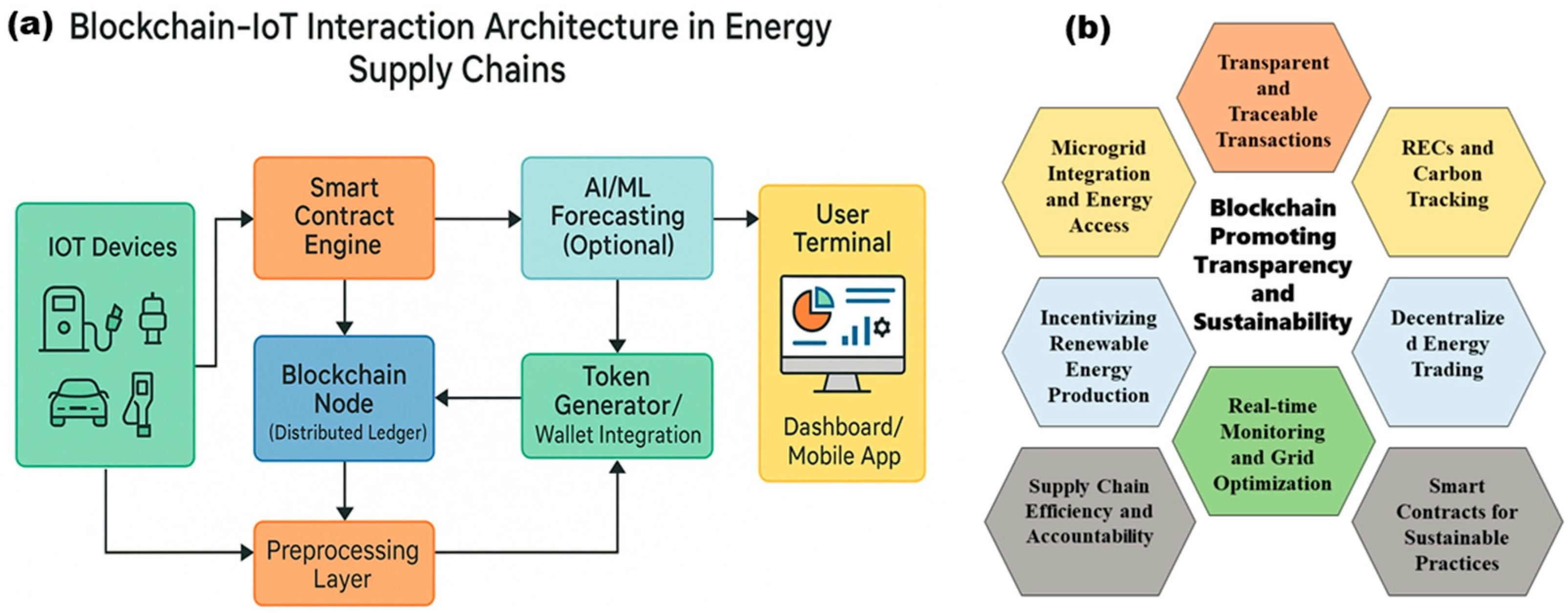
Blockchain technology is revolutionizing energy systems by embedding transparency, decentralization, and real-time data validation into energy management frameworks. This technology facilitates peer-to-peer (P2P) energy trading, enhances grid management, and creates secure transaction environments that reduce operational costs while improving system reliability. The next generation of blockchain infrastructure offers significant benefits to both consumers and utilities by enabling instantaneous and cost-effective energy trading, supporting decentralized power generation, and allowing real-time settlements on high-speed networks.
By fostering a more open and efficient energy marketplace, blockchain is poised to play a pivotal role in reshaping how energy is produced, distributed, and consumed worldwide. This transformation promises to enhance the resilience and sustainability of energy systems, aligning with broader global efforts to combat climate change and promote renewable energy adoption.