
Trending
The Rise and Fall of NFTs
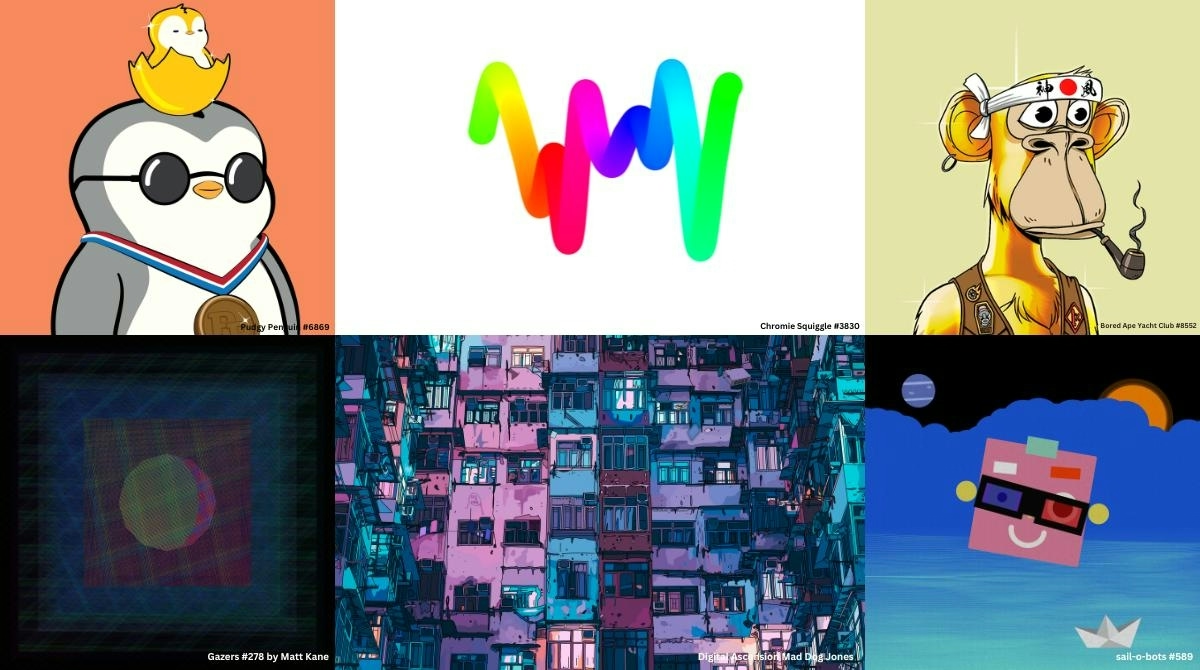
The Rise and Fall of NFTs
In 2021, non-fungible tokens (NFTs) captured global attention as digital avatars sold for millions, and artists like Beeple became emblematic figures within the crypto community. The term “non-fungible token” even permeated mainstream culture, appearing in late-night television monologues and widespread media coverage. However, the exuberance surrounding NFTs was short-lived. Following the market crash in 2022, the NFT sector experienced a dramatic downturn. Prices collapsed, celebrity endorsements disappeared, and media interest waned, relegating NFTs to the status of a speculative bubble and a subject of ridicule.
Despite this sharp decline, NFTs did not vanish entirely. The initial hype subsided, but the underlying blockchain technology quietly matured and found new applications beyond mere collectibles. Today, NFTs serve as foundational tools for digital ownership and utility, extending their reach into loyalty programs, asset tokenization, gaming, and AI-generated art.
The Aftermath of the Crash and Emerging Applications
The 2022 market correction significantly reduced NFT trading volumes, with platforms like OpenSea witnessing a decline of over 90% from their peak activity. The speculative frenzy dissipated, and regulatory bodies intensified scrutiny over crypto-related fraud. At one point, the future of NFTs appeared uncertain, with many anticipating their disappearance.
Nevertheless, innovation persisted behind the scenes. Startups, established brands, and technology platforms began to repurpose NFTs with a focus on practical solutions rather than speculation. Starbucks, for example, introduced Odyssey, an NFT-based loyalty program designed to enhance user engagement through a seamless experience. Similarly, ticketing companies adopted NFTs as secure, fraud-resistant digital passes, while gaming studios integrated NFTs to establish verifiable ownership of in-game assets, addressing longstanding challenges within the industry.
Developers shifted their approach, moving away from promotional hype to practical implementation. The fundamental concept of verifiable digital ownership remained intact, even as the initial public relations surrounding NFTs faltered.
Contemporary Use Cases and Ongoing Challenges
Currently, NFTs are being incorporated into various real-world applications, often operating discreetly within existing systems. Nike’s DotSwoosh platform exemplifies this trend by enabling users to purchase, collect, and trade exclusive digital assets that confer early access to products and limited-edition sneakers. This model transforms traditional loyalty programs into dynamic, interactive experiences that blend tangible and digital value.
Beyond loyalty initiatives, NFTs facilitate asset tokenization, representing ownership of physical assets such as real estate and collectibles. This innovation allows for fractional ownership and simplifies transfer processes. In the gaming sector, NFTs provide players with authentic ownership of virtual items, enhancing engagement and interaction within digital environments. Additionally, artists and platforms utilize NFTs to authenticate and monetize AI-generated art, ensuring provenance and scarcity in the digital art market.
Despite these advancements, NFTs continue to face significant obstacles. Regulatory oversight remains stringent, with authorities vigilant against fraud and compliance violations. Market volatility persists, eliciting divergent responses from investors—some perceive falling prices as opportunities to buy, while others interpret them as indicators of market saturation. Concurrently, industry players are adapting by exploring sustainable business models and investing in emerging technologies to maintain competitive advantage.
While NFTs no longer dominate headlines, their evolution reflects a quiet reinvention. Rather than fading into obscurity, NFTs are increasingly integrated into the digital infrastructure, functioning in practical and often invisible ways. The initial era of hype may have passed, but the technology’s potential continues to unfold.